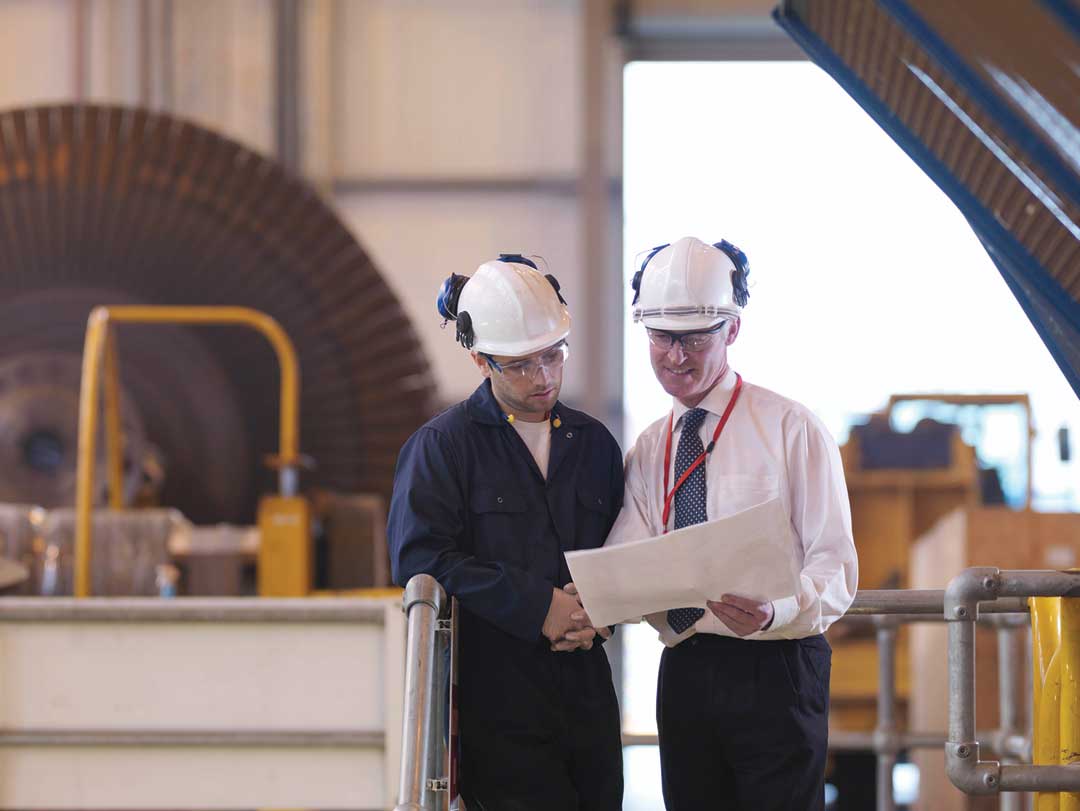
The goal of a preventative maintenance program is to customize the program to fit within the budget and provide as much, or as little, support as needed. (Photo courtesy Getty Images)
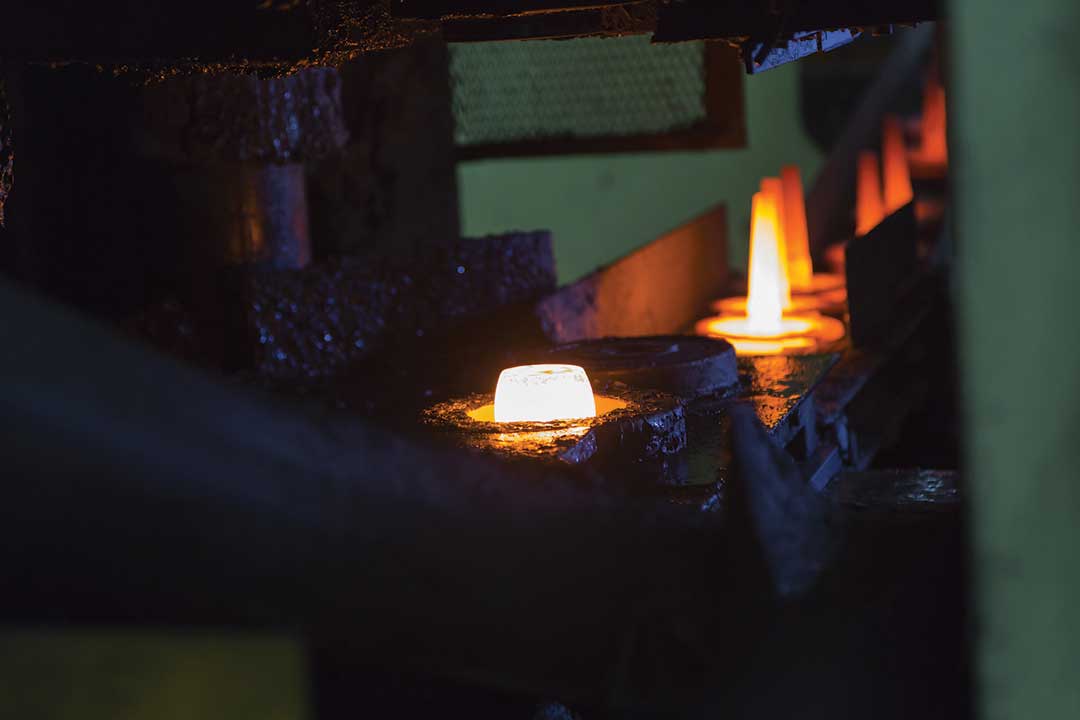
Even though the high impact nature of forging will eventually take its toll, the equipment can be kept productive for many decades with a regular preventative maintenance program from an OEM like Ajax-CECO-Erie Press. (Photo courtesy Aumm graphixphoto/Shutterstock.com)
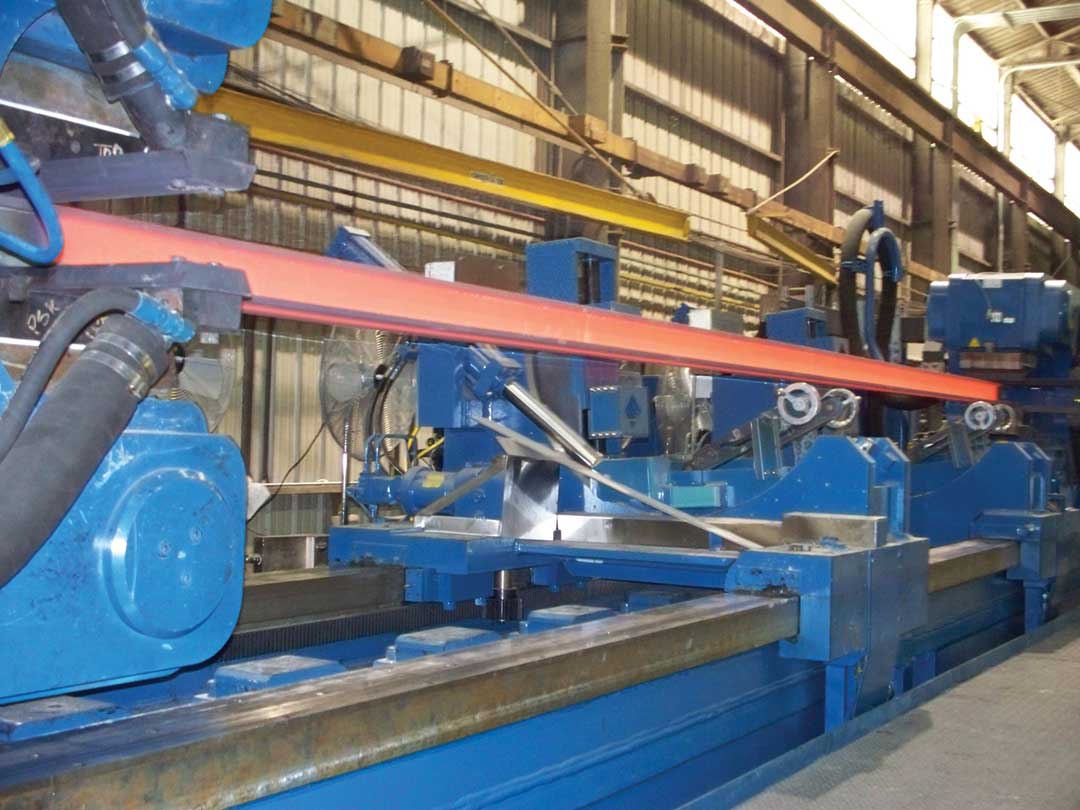
A variety of machines like stretch straighteners can benefit from a customizable preventative maintenance program from the OEM.
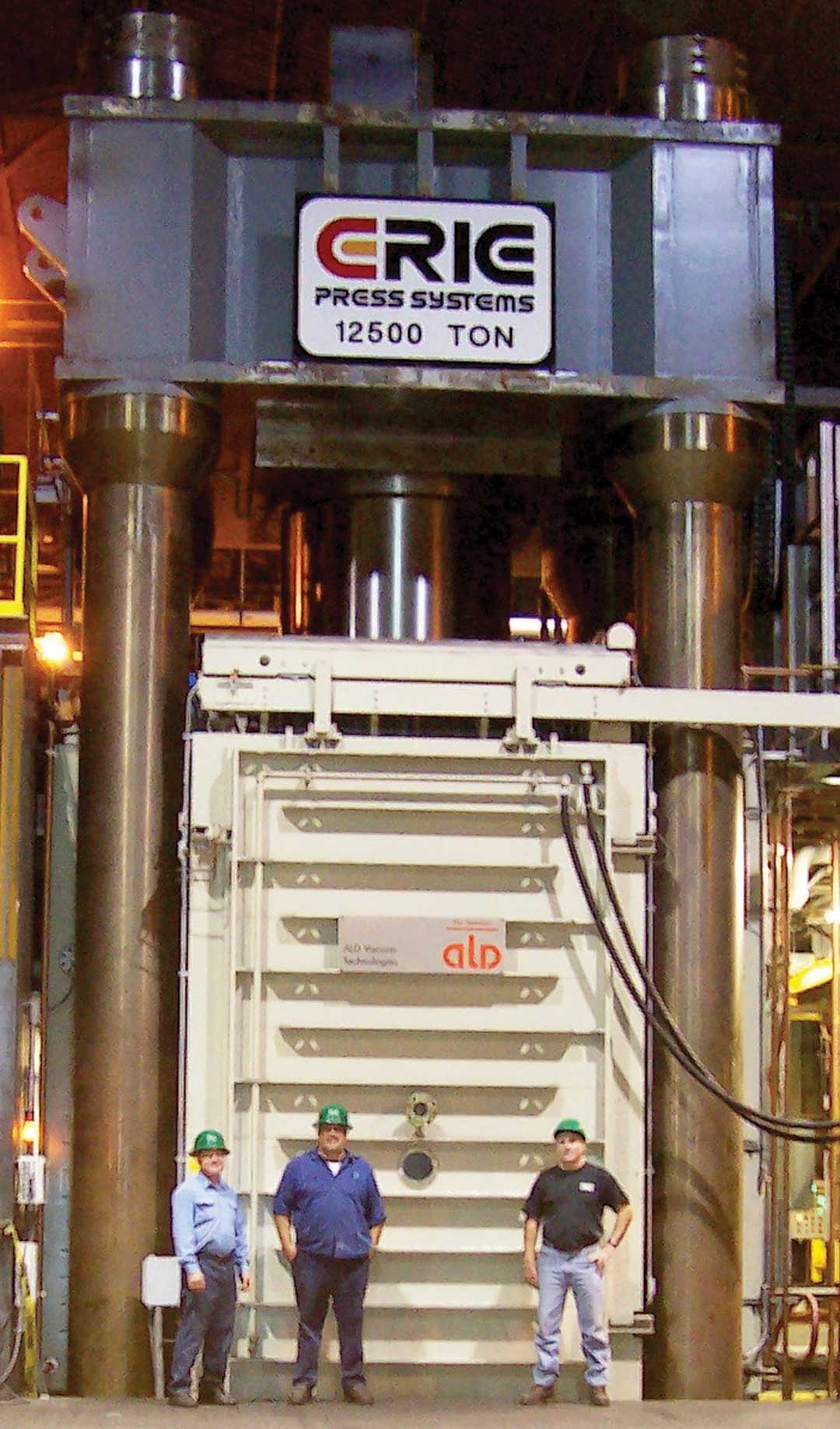
Based on the results of a health check, the OEM recommends corrective actions to restore the equipment to its original specifications.
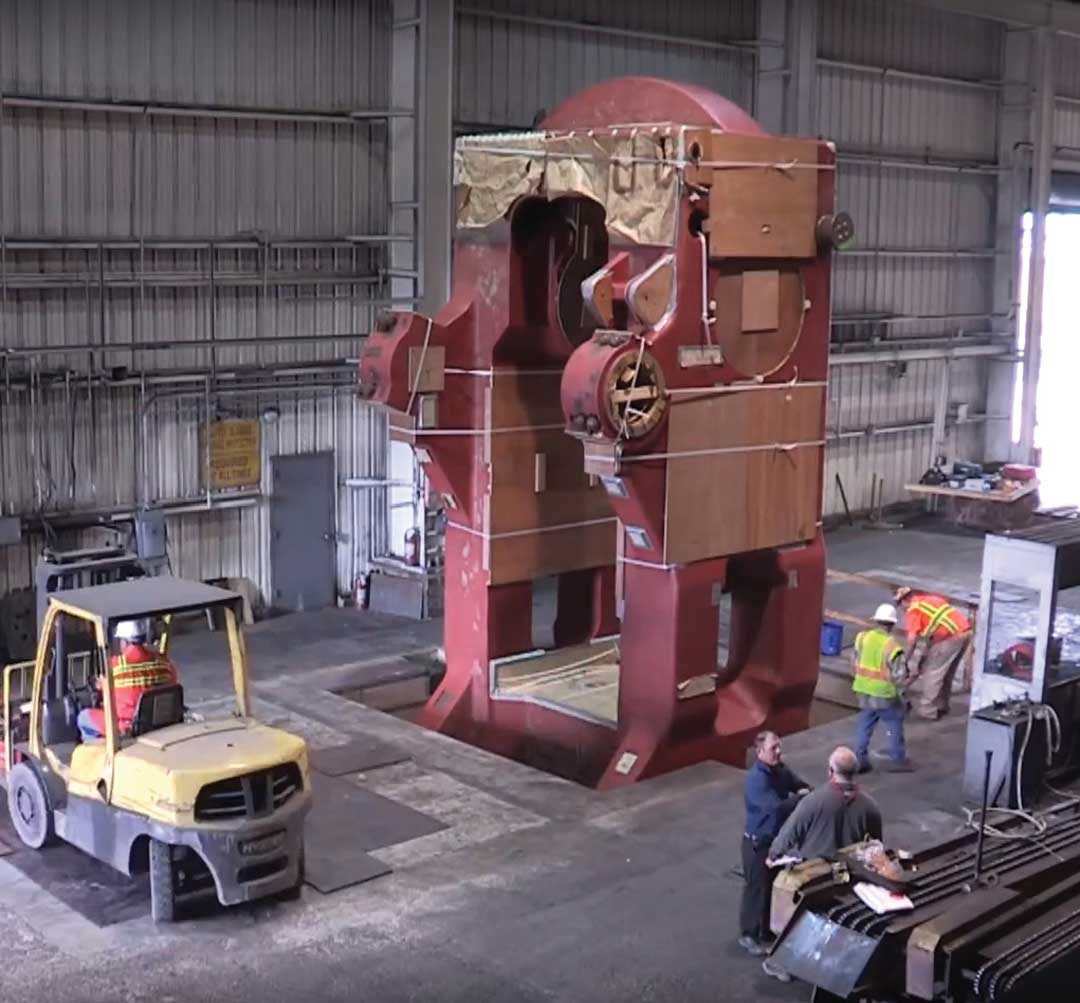
A systematic preventative maintenance program for forging operations can boost production, reduce downtime and provide return on investment.
In the realm of metalwork and manufacturing, forging equipment is an invaluable asset that can remain in production for decades. However, the key to ensuring optimal equipment performance and longevity is implementing a systematic preventative maintenance (PM) program. In this way, forging operations can boost production, reduce downtime and guarantee a superior return on investment (ROI).
Regular PM on forging equipment offers additional benefits. Ensuring the machinery operates without unforeseen failures or malfunctions reduces maintenance needs and lowers repair costs. Furthermore, it decreases the likelihood of producing defective or substandard products. Safety is also improved by minimizing potential hazards and reducing the risk of injuries.
Although many forgers follow routine maintenance guidelines, most continue production until the equipment breaks down. Given the longevity of certain forging machines in operation since the 1950s and 60s, technicians may lack the knowledge required to troubleshoot problems or recognize worn or failing components, which increases the risk of a major breakdown. Studies have shown that the cost of unplanned maintenance can be three times higher than planned maintenance.
"The purpose of a systematic PM program is to identify and address potential issues before they escalate. PM is designed to optimize machine reliability and performance while saving costs over time by avoiding serious breakdowns," said Bill Goodwin, Vice President of Sales and Engineering Ajax/CECO/Erie Press (ACE), a forging equipment supplier in North America.
Traditionally, PM is performed by facility personnel who conduct routine inspections, maintenance and repairs on assets to ensure that they are functioning properly. However, a growing number of forgers are discovering the value of partnering with equipment OEMs for customizable PM programs that incorporate the industry's best proactive maintenance practices.
"In essence, the OEM becomes an extension of the forger's maintenance team through best practice PM, proactive training and even spare parts programs. The goal is to customize the program to fit within the budget and provide as much, or as little, support as needed," said Goodwin. "ACE, with 145 years of experience in equipment manufacturing and more than 300 years of combined forging knowledge, is the longest-running, most experienced forging company in the world. The OEM provides a comprehensive array of forging equipment, including upsetters, presses, programmable hammers, forging rolls and automation solutions for various forging materials, such as carbon steels, aluminum, titanium and super alloys."
The Importance of Forging Equipment PM
Today, ACE is offering a comprehensive preventative maintenance program in the forming and forging industry. The customized program not only includes training activities and scheduled replacement of consumables, but also develops repeatable maintenance tasks and follows PM best practices for forging and forming equipment.
In this program, the OEM first conducts a preliminary review of any existing PM program documentation of what is currently performed. This includes the life cycle of frequently replaced parts.
Next, the OEM conducts a "health check" to determine the equipment's current condition, running clearance, electrical system and pump performance. Based on the results of the health check, the OEM recommends corrective actions to restore the equipment to its original specifications.
ACE is in a unique position to utilize the full documentation of equipment in its broad portfolio of brands, along with extensive maintenance and repair experience accumulated over many decades. With its core brands founded in the 1800s, the company offers a full line of products, including standard mechanical forging presses, upset forging machines, forging rolls, hydraulic forging, forming, compression molding, cold extrusion, compaction and roll ring preform presses, along with stretch forming and straightening machines, solid die forgers, trim presses, programmable die forgers and custom-engineered hydraulic presses.
In the next step, a customized PM program is created. This can vary, but typically involves following best practices for lubrication; daily visual inspections for signs of wear, leaks or damage; listening for abnormal vibrations/noises when equipment is running that can indicate underlying issues; monitoring the presence of dirt or other foreign particles that can deteriorate the machinery's efficiency; regular calibration to avoid misalignment or imbalanced equipment; and documenting all checks, observations and maintenance tasks performed.
Goodwin stressed that the extent of the PM program is based on factors such as the type of equipment, production, onsite support and desired PM intervals. "It can be scaled up or down to take into account the maintenance team's experience, availability and turnover," he said.
Although PM is typically performed on-site, some actions can be completed remotely. ACE utilizes advanced collaboration tools and real-time video communications to connect with technicians so each can see, discuss, annotate and resolve many situations at hand.
Spare Parts Programs to Minimize Downtime
Ensuring smooth operations goes beyond just the maintenance of forging equipment. It also entails having essential spare parts available at a moment's notice to minimize production downtime.
Consequently, the PM program can also include a separate spare parts stocking program that anticipates expected maintenance requirements. By utilizing measurable production rates, ACE can proactively schedule service and replacement of critical parts through an online portal. Potential critical failures can be identified and addressed before occurring.
To ensure the highest production uptime of forging equipment and prevent lengthy unexpected downtime, the stocking program typically not only includes consumables, but also essential parts that can traditionally have very long lead times.
"Common consumables include friction plates and driving plates for presses and upsetters, or piston heads, rods, rings and packings for hammers. However, it is even more important to stock main gears, eccentric shafts and rams to avoid long lead times for replacement," said Goodwin.
According to Goodwin, with the parts stocking program, the forger only pays a percentage of the cost up front and the balance when they take possession of the part-up to two years later. With minimal up-front investment, the custom stocking program can eliminate many months of downtime waiting on long lead time parts. Express shipping costs are also eliminated since parts are readily available.
Even though the high impact nature of forging will eventually take its toll, with proper PM the equipment can be kept productive for many decades, and potentially for the better part of a century.
"Ensuring proper PM is not merely a task, but an investment in the longevity of your forging equipment, the quality of your products and the productivity and safety of your workforce. By implementing a proactive PM program, manufacturers can position themselves to reap the maximum benefits from their equipment for decades to come," concluded Goodwin.
Authored by Ajax/CECO/Erie Press
For more information contact:
Ajax/CECO/Erie Press
1253 W 12th St.
P.O. Box 4061
Erie, PA 16501
800-451-2326 / 814-455-3941
info-sales@ajaxerie.com
www.ajaxerie.com